Product Details:
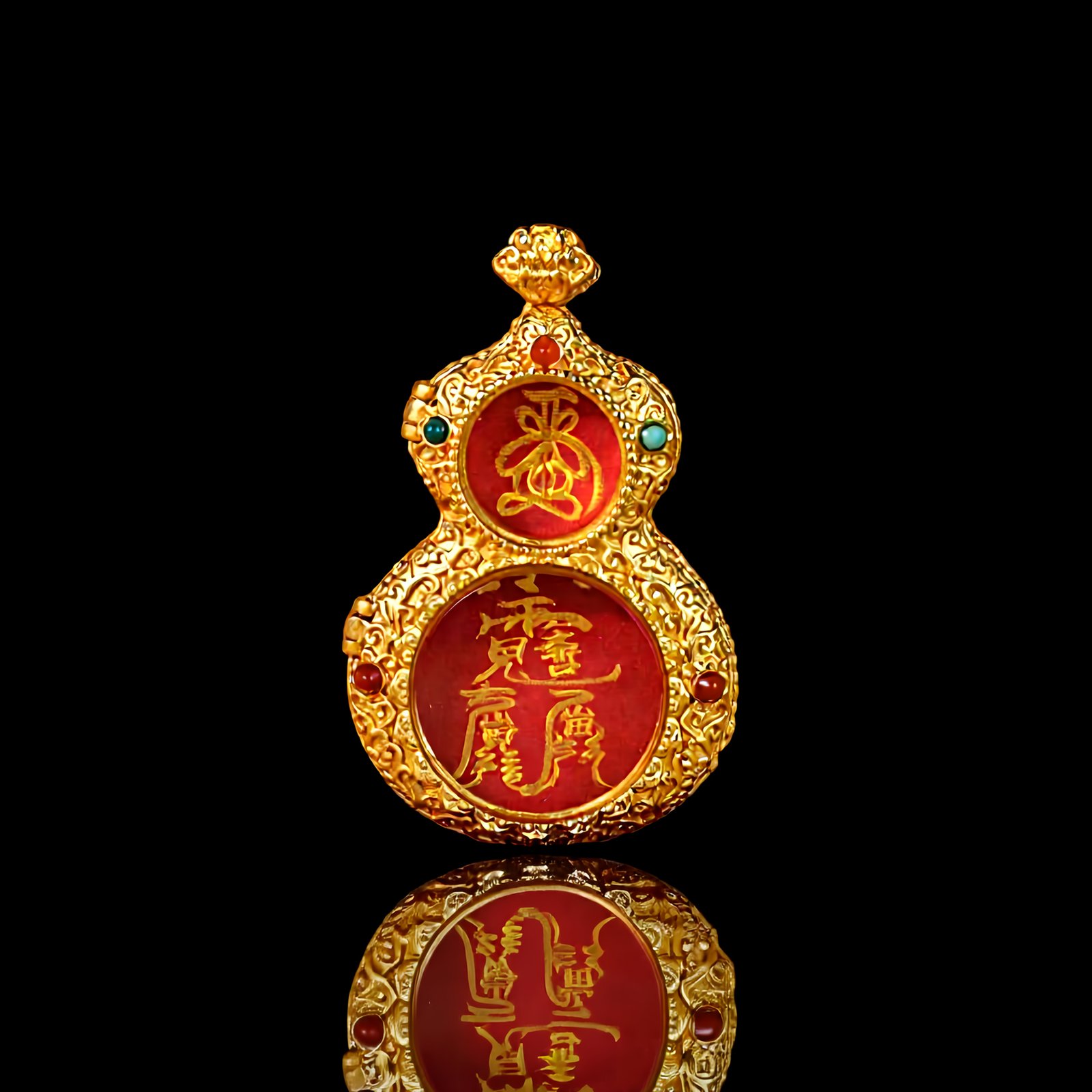
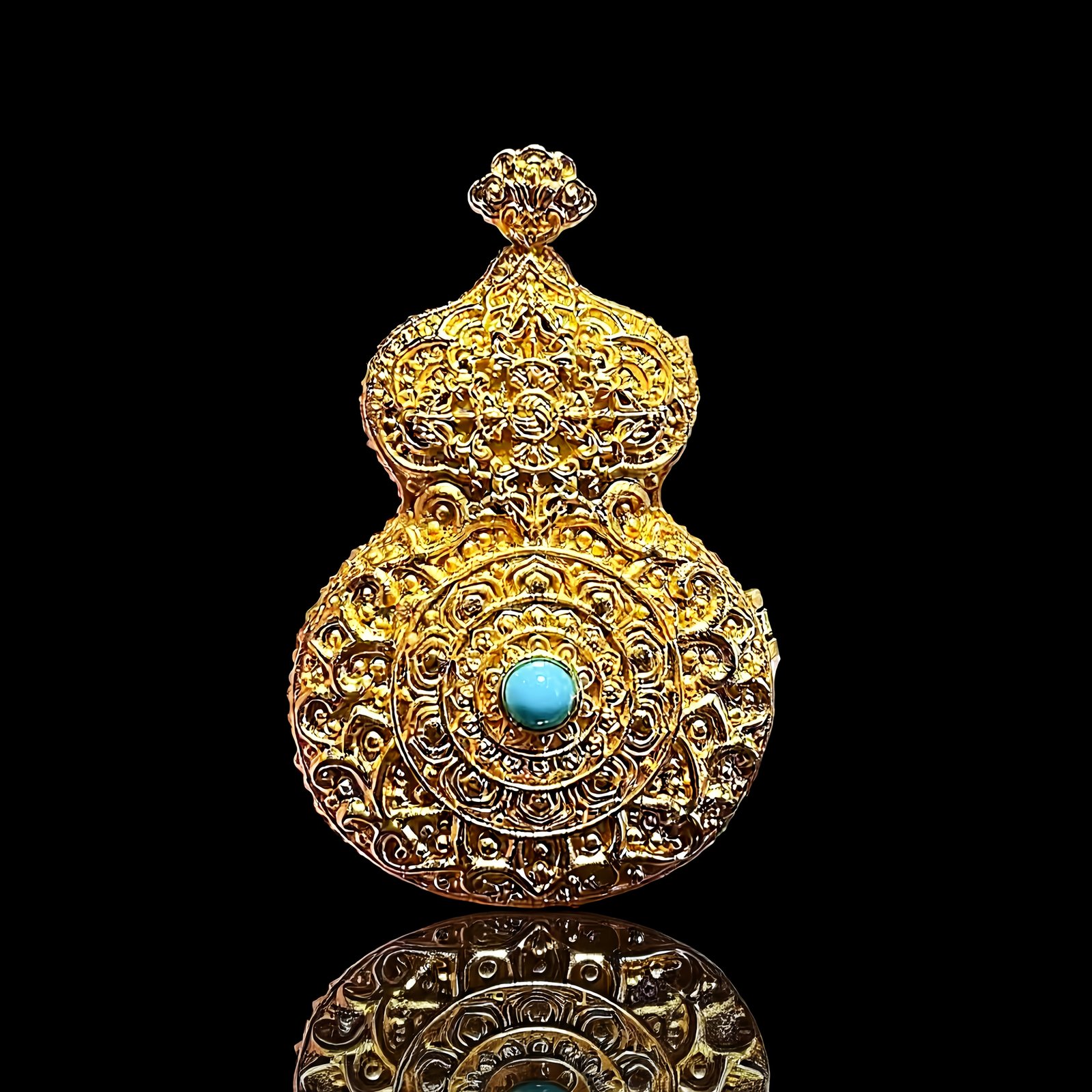
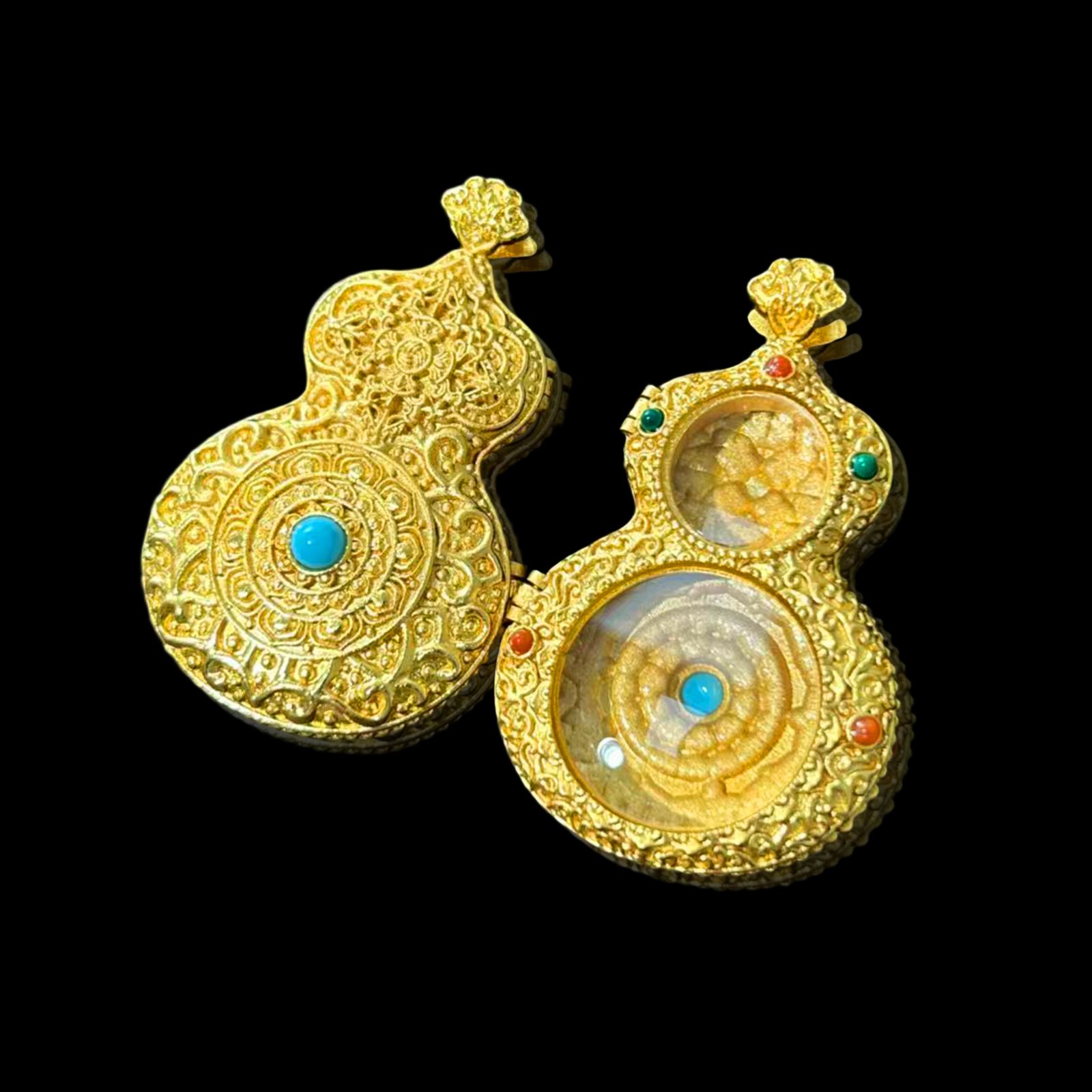
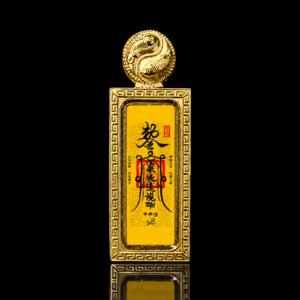
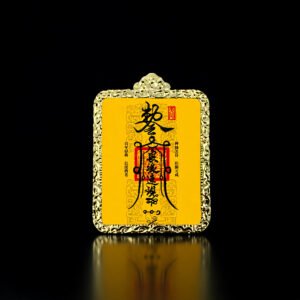
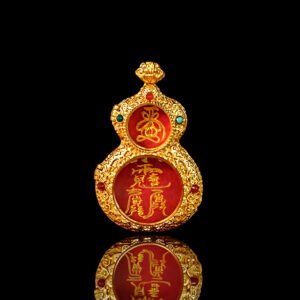
This pendant combines elegance and the protective function of Taoism. The entwined cloud pattern on its surface has been passed down for over 1,800 years, and in traditional culture, it is believed to symbolize continuous good fortune.
The double gourd shape conforms to the Taoist concept of yin and yang harmony, and it is believed in traditional culture that it can stabilize the aura and calm the mind. The red and green beads correspond to the five elements and can attract good fortune and ward off evil. The gold color helps to attract and retain wealth, protecting the wearer’s health throughout the year and safeguarding their financial fortune.
Harmony: The Daoist concept of “harmony and unity” originates from the “Tao Te Ching”, which holds that the harmony of yin and yang is essential for the growth of all things. Sects such as Zhengyi and Shangqing used the “Harmony and Unity Talisman” in rituals for marriage and seeking benefactors. The “Wanfa Guizong” records its drawing method and incantation.
Prosperity: The “Taiping Jing” of the Han Dynasty already included talismans for wealth accumulation and warding off evil spirits. During the Tang and Song Dynasties, Zhao Gongming was revered as the God of Wealth, and the Daoist tradition developed a systematic set of talismans for wealth. In the Ming and Qing Dynasties, prosperity talismans were incorporated into daily rituals and standardized drawing procedures were established.
Health: The “Xuantian Shangdi Qisheng Lu” records that during the reign of Emperor Zhenzong of the Song Dynasty, when a plague was rampant, the Great Emperor Zhenwu descended a talisman to Wudang Mountain. Daoists used the talisman water to treat the people and resist the epidemic.
Protection from Malignants: The “Bingfa Taibai Yinjing” of the Tang Dynasty included the “Evil-Repelling Talisman” to protect against hidden harm from others. The “Lu Ban Jing” features the “Talisman to Guard Against Malignants” for craftsmen to protect against harm from their peers.
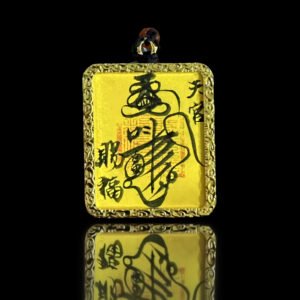
Prosperity and Favor: The “Lingbao Yujian” of the Song Dynasty had the “Talisman to Summon Benefactors” for a smooth career and interpersonal relationships. The “Wanfa Guizong” features the “Harmony and Unity Benefactor Talisman” to ensure a happy marriage and prosperous business.
Safety: In the Tang Dynasty, Daoist talismans were incorporated into state rituals. Tang Dynasty safety talismans have been unearthed in Dunhuang. In the Ming Dynasty, safety talismans were integrated into folk customs, giving rise to various types such as talismans for protecting the home and ensuring the safety of vehicles and horses. In the Qing Dynasty, it was a custom among the common people to wear yellow talismans to ward off epidemics and for immigrants to carry talismans when crossing the sea to seek safety.

Reviews
There are no reviews yet.